Neuropsychology Basics for Undergraduates Explained Simply
- Veda Sheth
- Jun 7
- 4 min read

Neuropsychology is a fascinating field that bridges psychology and neuroscience, focusing on how brain function affects behavior and cognitive processes. For undergraduates diving into this subject, understanding its core concepts can be both exciting and overwhelming. This blog post aims to break down the basics of neuropsychology in a simple and engaging manner, making it accessible for students who are just starting their journey in this captivating discipline.
What is Neuropsychology?
Neuropsychology is the study of the relationship between brain function and behavior. It examines how different brain areas contribute to various cognitive processes, such as memory, attention, language, and problem-solving. Neuropsychologists often work with individuals who have experienced brain injuries, strokes, or neurological disorders to assess and treat cognitive impairments.
Key Areas of Focus
Cognitive Functions: Neuropsychology investigates how cognitive functions like memory, perception, and reasoning are affected by brain activity.
Brain Structure and Function: Understanding the anatomy of the brain and how different regions interact is crucial in neuropsychology.
Assessment and Diagnosis: Neuropsychologists use various tests to evaluate cognitive abilities and diagnose conditions like ADHD, dementia, and traumatic brain injuries.
The Brain: An Overview
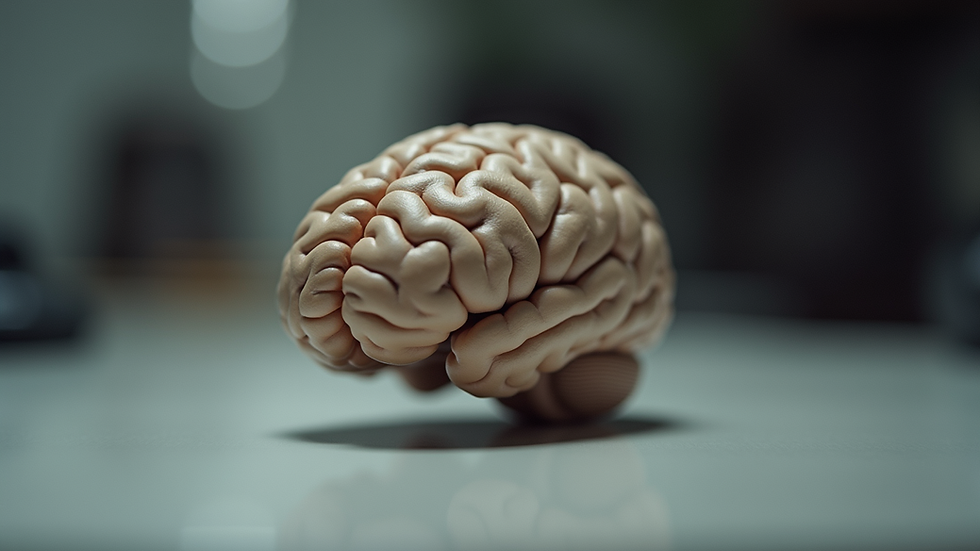
To grasp neuropsychology, it's essential to have a basic understanding of the brain's structure and functions. The brain is divided into several regions, each responsible for different functions:
Cerebrum: The largest part of the brain, responsible for higher cognitive functions such as thinking, learning, and memory.
Cerebellum: Located at the back of the brain, it coordinates movement and balance.
Brainstem: Controls basic life functions such as breathing and heart rate.
Brain Regions and Their Functions
Frontal Lobe: Involved in decision-making, problem-solving, and controlling behavior.
Parietal Lobe: Processes sensory information and spatial awareness.
Temporal Lobe: Responsible for auditory processing and memory.
Occipital Lobe: Handles visual processing.
Understanding these regions helps students appreciate how different brain areas contribute to behavior and cognitive processes.
Neuropsychological Assessments
Neuropsychological assessments are crucial for diagnosing cognitive impairments and understanding an individual's cognitive strengths and weaknesses. These assessments typically involve a series of standardized tests that evaluate various cognitive domains.
Common Assessment Tools
Wechsler Adult Intelligence Scale (WAIS): Measures different aspects of intelligence, including verbal comprehension and working memory.
Rey-Osterrieth Complex Figure Test: Assesses visual-spatial construction and memory.
Trail Making Test: Evaluates attention, cognitive flexibility, and processing speed.
These tools help neuropsychologists create a comprehensive profile of an individual's cognitive abilities, guiding treatment and rehabilitation strategies.
Neuropsychological Disorders
Neuropsychology also focuses on various disorders that affect cognitive functioning. Here are some common conditions studied in this field:
Traumatic Brain Injury (TBI)
TBI occurs when an external force injures the brain, often leading to cognitive impairments. Symptoms can range from mild concussions to severe cognitive deficits. Neuropsychologists play a vital role in assessing the extent of the injury and developing rehabilitation plans.
Stroke
A stroke occurs when blood flow to the brain is interrupted, leading to brain damage. Depending on the affected area, individuals may experience difficulties with language, memory, or motor skills. Neuropsychological assessments help determine the impact of the stroke and guide recovery efforts.
Dementia
Dementia is a progressive decline in cognitive function, often associated with aging. Neuropsychologists assess memory, language, and reasoning abilities to diagnose different types of dementia, such as Alzheimer's disease. Early diagnosis is crucial for managing symptoms and planning for the future.
The Role of Neuropsychologists
Neuropsychologists are trained professionals who specialize in understanding the relationship between brain function and behavior. Their work involves:
Assessment: Conducting comprehensive evaluations to diagnose cognitive impairments.
Intervention: Developing treatment plans to address cognitive deficits and improve quality of life.
Research: Contributing to the understanding of brain-behavior relationships through scientific studies.
Skills Required
To succeed in neuropsychology, professionals need a blend of skills, including:
Strong analytical abilities to interpret assessment results.
Excellent communication skills to explain findings to patients and families.
Empathy and patience when working with individuals facing cognitive challenges.
The Importance of Neuropsychology in Everyday Life
Understanding neuropsychology is not just for aspiring professionals; it has practical implications for everyone. Here are a few ways neuropsychology impacts daily life:
Education
Neuropsychology informs educational practices by identifying learning disabilities and cognitive strengths in students. Tailored interventions can help students succeed academically.
Mental Health
Neuropsychological insights contribute to mental health treatment by understanding how brain function affects mood and behavior. This knowledge can lead to more effective therapies for conditions like depression and anxiety.
Aging
As the population ages, neuropsychology plays a crucial role in addressing cognitive decline. Early detection of conditions like dementia can lead to better management and support for individuals and their families.
Future Directions in Neuropsychology
The field of neuropsychology is constantly evolving, with new research and technologies shaping our understanding of the brain. Here are some exciting developments on the horizon:
Neuroimaging Techniques
Advancements in neuroimaging, such as functional MRI (fMRI) and PET scans, allow researchers to visualize brain activity in real-time. These techniques enhance our understanding of how different brain regions interact during cognitive tasks.
Neuroplasticity
Research on neuroplasticity—the brain's ability to reorganize itself—has significant implications for rehabilitation. Understanding how the brain can adapt after injury opens new avenues for treatment and recovery.
Artificial Intelligence
The integration of artificial intelligence in neuropsychology is revolutionizing assessments and diagnostics. AI algorithms can analyze large datasets to identify patterns and predict cognitive decline, leading to earlier interventions.
Conclusion
Neuropsychology is a dynamic field that offers valuable insights into the relationship between brain function and behavior. For undergraduates, grasping the basics of neuropsychology lays the foundation for a deeper understanding of cognitive processes and their implications in everyday life. As research continues to advance, the potential for improving cognitive health and enhancing quality of life remains promising. Embrace the journey into neuropsychology, and consider how this knowledge can empower you and those around you.


Comments